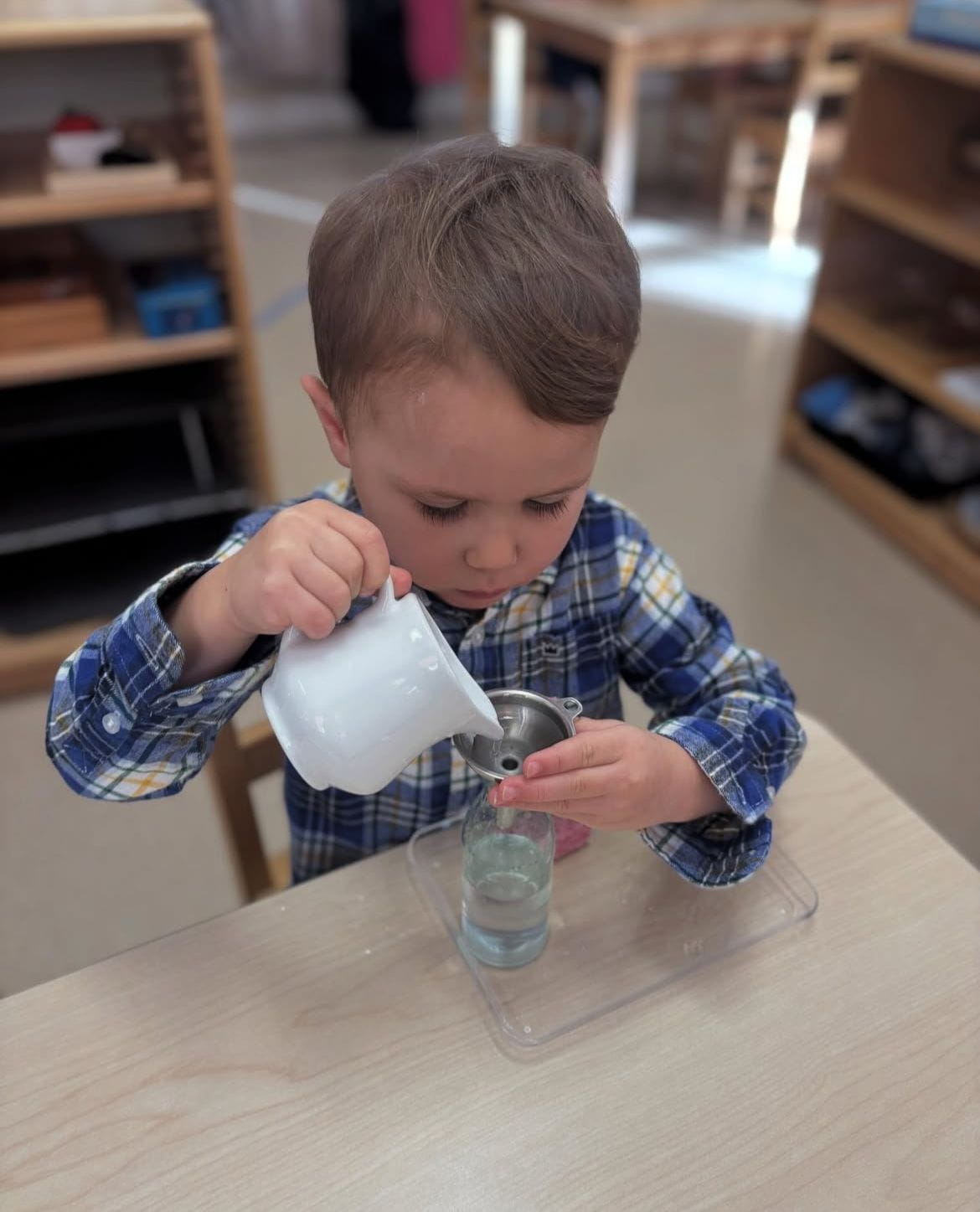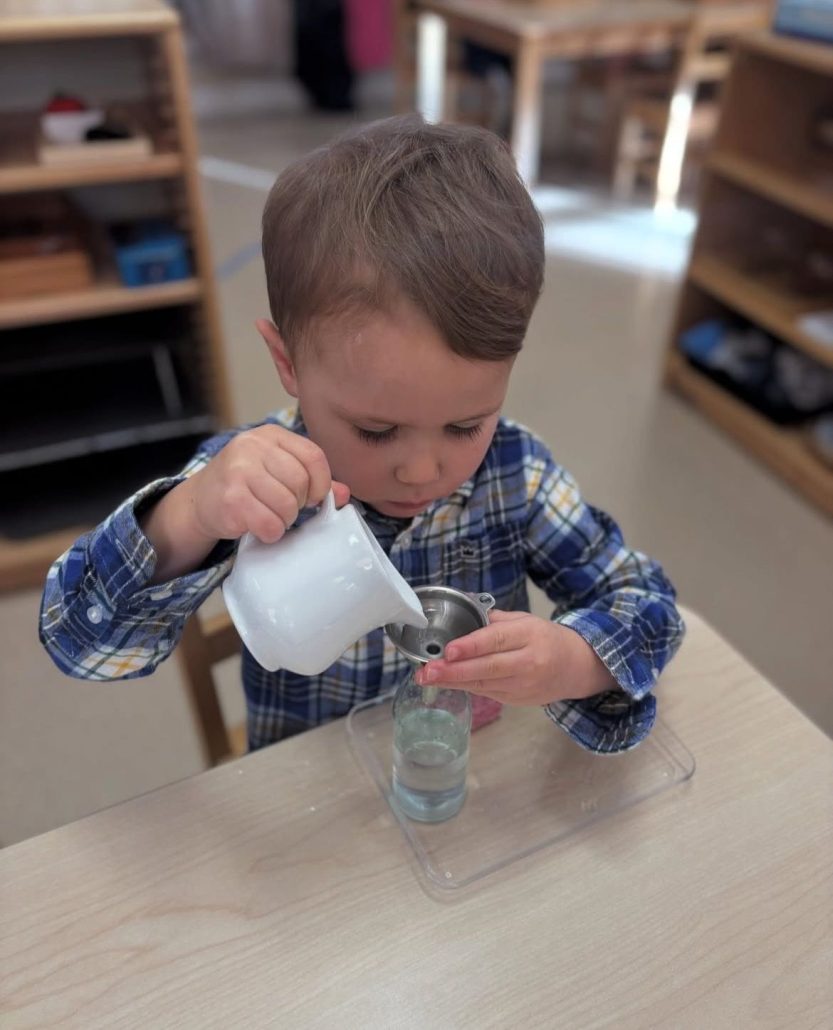
Ok, I know how that sounds, but before you think I’m a mean mom, hear me out. When my toddler says “I’m thirsty” I don’t jump up and get him water. Instead, I say: “Hm…what can we do about that?” (honestly sometimes I say “so what” lol) And then I wait…
Here’s why I do that: one of my biggest goals as a parent is teaching my children effective communication. There’s a huge difference between stating a need out loud and actually communicating what you want someone to do about it.
“I’m thirsty” is an observation. It’s naming a feeling or a want, but it’s not a request. Saying “I’m thirsty” is not problem-solving or communication that moves toward a solution. And if I jump in every time to fix it, my toddler learns that stating the problem is enough. That someone else will figure out the next steps.
It might seem a little silly (or rude!), because at 3, the stakes are low. It’s water. It’s a snack. It’s finding a toy. But I’m raising a future adult. And I want them to know how to identify a problem AND take steps to solve it. To communicate what they need, not just what they’re feeling. To ask for help when they need it, but also try using their own brains first. And that starts now with the small stuff.
What this looks like in practice:
When he says “I’m thirsty,” I say: “Hm…what can we do about that?” I’m signaling I’m on his side, and I’m here to help…but I need him to do the thinking first. Sometimes he says “Can you get water for me, mommy?” Sometimes he just goes and finds his water bottle himself.
When he says “I can’t find my truck.” I ask him “Hm…where should we look?”
When he says “I’m hungry.” I say: “Oh, what could we do for a snack?”
I’m not making him figure it all out alone. But I am (always) scaffolding. Guiding him on the pathway from want/need to solutions/result.
There’s a difference between helping and rescuing.
Helping is supporting them through the process.
Rescuing is doing it for them before they even try or plan how to resolve it.
When I say “What can we do about that?” I’m giving him the space to think it through while making it clear I’m with him to troubleshoot. If he genuinely can’t remember or can’t reach
or needs support, I’m right there. “Let’s go together. You can get your cup and I’ll help you fill it.” But what I’m not doing is jumping in before he’s had a chance to engage his brain.
What I’ve noticed from this:
He problem solves more on his own.
He asks better questions. Instead of “I can’t do it” he says “Can you help me?”
He’s building confidence. Because every time he figures something out – even with support – his brain registers that he capable.
We talk a lot about independence, but true independence streams from confidence. From being able to figure things out. And sometimes it requires us to work with the discomfort of not doing everything for them just because we know what they want and can solve it faster and better.
I’m trying to raise humans who know how to think through problems, communicate clearly, and ask for support when they need it. Even when that means not handing them water every time they say they’re thirsty.
This content was written by Liz Luize, @parentingcharlie on Instagram. You can see the original post here.